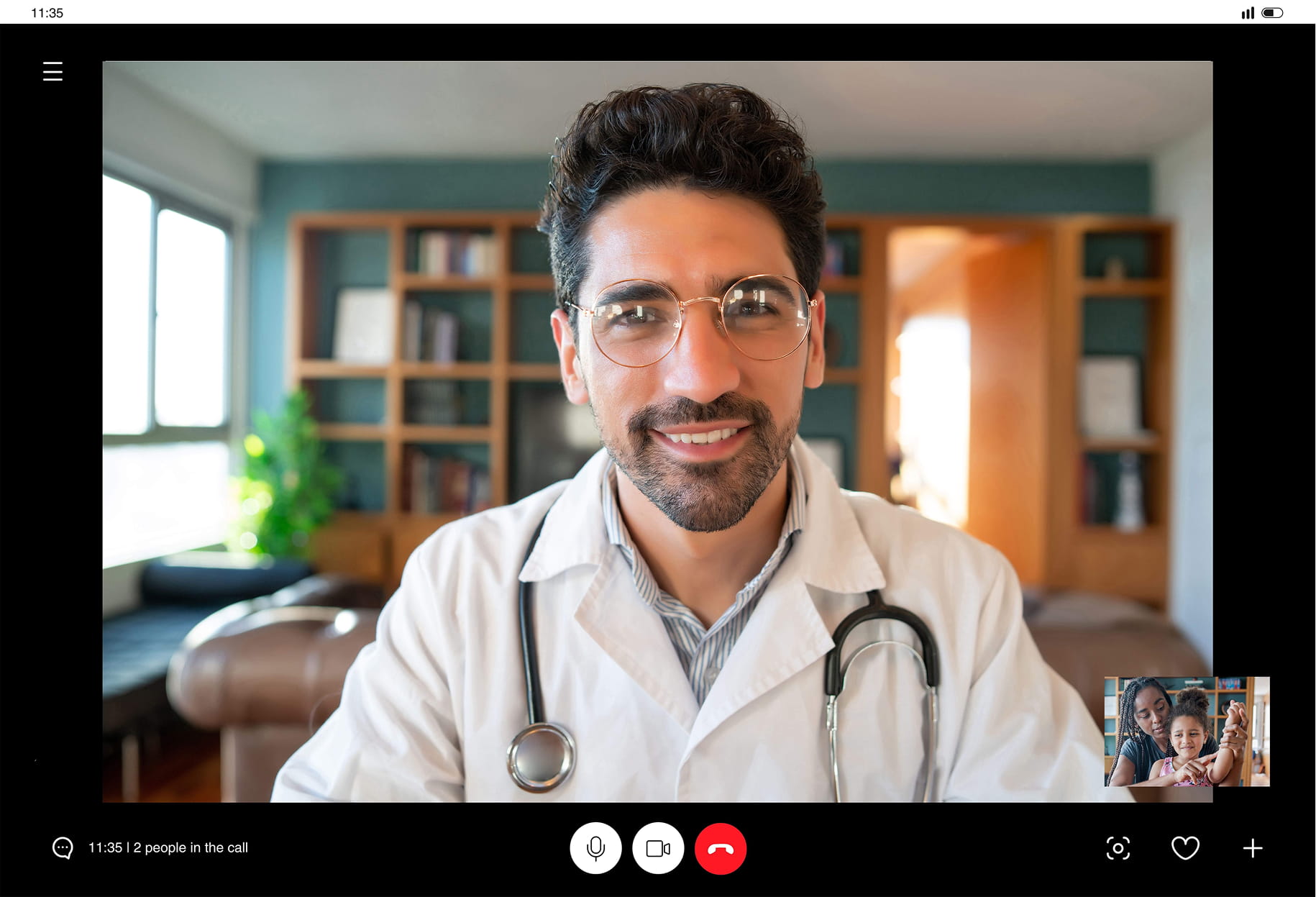
Virtual care has moved from emergency workaround to core access channel in Canadian primary care. CIHI’s national analysis shows sustained use and patient acceptance, with roughly one-third of Canadians reporting a virtual primary-care visit in the past year. At the same time, Canada faces a structural shortage: CIHI data show flat/negative growth in family medicine alongside rising population and uneven distribution, a recipe for longer waits unless we redesign how patients are matched to clinicians.
Patients want speed, clarity, continuity. Timely video access reduces the temptation to self-diagnose online; the CMA/Abacus finding of 37% turning to the internet reflects access gaps more than preference. Virtual coordination replaces “wait and worry” with prompt, legitimate clinical encounters. CIHI’s ED analysis adds a system view: 15% of ED visits were for conditions potentially manageable in primary care; importantly, 9% could likely have been handled virtually, a clear opportunity to route non-urgent issues into secure virtual channels.
What clinicians experience
For clinicians, front-loaded intake and records reduce no-shows and make time with patients more productive. CIHI’s workforce trendlines point to the need for team-based, tech-enabled models so NPs and other professionals share appropriate load while physicians focus on complex care.
Bottom line: Technology doesn’t create doctors, but it creates access by cutting admin, matching
supply to need, and protecting privacy end-to-end.